
All parent guides
Guide

Enrichment Classes for Kids in Malaysia

Piano or violin? Ballet or taekwondo? Coding at six, or swimming first? Enrichment classes are a big part of childhood in Malaysia — weekends in shopping malls, community halls and neighbourhood studios are filled with children carrying instrument cases, dance bags and swim goggles. This guide walks through the main types of classes available here, the ages children usually start, what to look for in a teacher and a centre, and how to use a trial class to decide before you commit to a term.

Teacher guiding a young child at the piano in a bright Malaysian enrichment studio while a parent watches from the background
A trial music lesson in a bright neighbourhood studio, with a parent watching from the back of the room.

What "enrichment" means in Malaysia

In Malaysia, enrichment usually means structured classes outside school hours that build a skill or an interest rather than prepare a child for the school syllabus. Tuition centres focus on academic subjects and exams; enrichment centres focus on music, art, movement, languages, technology and life skills. Many families do both, and many centres run more than one type of programme under the same roof.

Classes are run by private studios, franchise centres in shopping malls, independent teachers in home studios, sports clubs, and community or school-hall groups. Because of that, quality, class size, teaching style and commitment level vary a lot from one place to the next — which is exactly why visiting and trialling matters more than choosing by name.

How enrichment classes usually run here:

  • Weekly sessions. Most programmes meet once a week, with music lessons often taught one-to-one or in pairs, and art, dance, coding and sports taught in groups.
  • Terms or monthly blocks. Some centres follow school terms, others bill monthly or sell packages of lessons. Ask what happens to missed lessons, public holidays and school-holiday weeks.
  • Progress markers. Depending on the activity, progress may be shown through graded exams, internal levels, belt or badge systems, recitals, exhibitions, competitions or simply a term-end showcase.
  • Parent involvement. Younger children's classes often expect a parent to stay, help with practice at home, or handle transport and kit. Ask what is expected of you before you sign up.

One honest note before you start: a child's progress in enrichment depends far more on consistent attendance and a teacher they connect with than on the prestige of the centre. A convenient class your child enjoys will usually beat a famous one that turns every weekend into a battle.

Browse classes by type

Already know what you are looking for? Jump to the section below, or go straight to the centres.

Art and drawing

Drawing, painting, craft and portfolio-style classes for young children to teens.

Browse art centres

Dance and ballet

Ballet, modern and street dance, from pre-school movement to graded syllabus work.

Browse dance centres

Languages

Mandarin, English, Bahasa Malaysia, Tamil and other language classes for children.

Browse language centres

Sports and movement

Ball games, gymnastics, athletics and multi-skill programmes.

Browse sports centres

Music: piano, violin and graded exams

Music is one of the most established enrichment pathways in Malaysia, and piano and violin are the two most common starting instruments. Lessons are typically one-to-one, half an hour to an hour, either at a centre, at a teacher's studio or at your home. Group classes are more common for pre-school music awareness, singing and percussion.
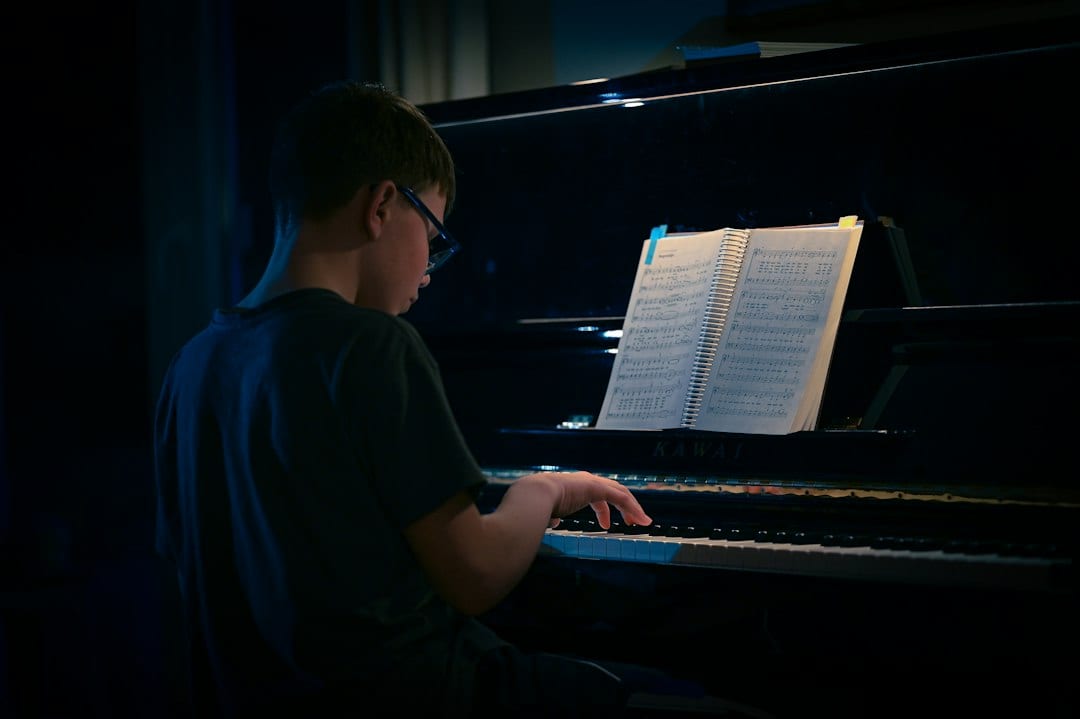
Instruments and starting ages

  • Piano — Many teachers accept beginners from around four to six, when a child can sit still for a short lesson, recognise letters and numbers, and manage a hand position at the keys. A keyboard at home is enough to begin; ask the teacher what they recommend before you buy an acoustic piano.
  • Violin — Often started between four and six, sometimes earlier in programmes designed for very young beginners. Small fractional-size violins are used for young children, so ask about sizing and rental before purchasing.
  • Voice, guitar, ukulele, drums and wind instruments — Usually a little later, once reading and breath or hand strength are more developed. Ask the centre for their minimum age and whether a group or individual lesson suits your child better.
  • Early childhood music — For toddlers and pre-schoolers, singing-and-movement classes are a gentler on-ramp than formal instrument lessons.
A teacher's hands guiding a young child's fingers on piano keys during a one-to-one music lesson

Graded exams: ABRSM and Trinity

Two exam boards come up constantly in Malaysian music conversations: ABRSM (Associated Board of the Royal Schools of Music) and Trinity College London. Both offer graded music exams that progress from beginner grades upwards, and both are sat by children in Malaysia through local exam sessions arranged by teachers and centres.

Practical exams generally involve prepared pieces plus technical and musicianship components such as scales, sight-reading and aural work; the exact requirements differ between boards and grades, and some pathways ask for a theory qualification before the higher practical grades. Ask your teacher which board they enter pupils for, how exam sessions and deadlines work locally, and what the exam entry involves on top of lesson fees.

Grades are a useful structure, not a scoreboard. A steady grade-a-year pace suits some children; others do better with a longer gap between exams and more time on repertoire they actually enjoy. If a centre pushes exams from the very first lesson, ask why, and ask what happens if your child is not ready.

What to ask a music teacher or centre

  • What is your teaching background, and which ages and levels do you usually teach?
  • How much daily practice do you expect at this age, and how should a parent supervise it?
  • Do you teach exam syllabus only, or also pieces my child chooses?
  • What instrument or keyboard do we need at home to start, and can we wait before buying?
  • How do you handle make-up lessons when my child is ill or we travel for balik kampung?
Browse music centres in Malaysia

Art, drawing and craft

Art classes are a low-pressure entry point into enrichment: no exams to sit, no instrument to buy, and most children are willing to try. In Malaysia you will find everything from toddler sensory art and craft sessions to structured drawing and painting classes, comic and illustration clubs, and portfolio guidance for older students considering design or architecture pathways.

What classes look like by age

  • Pre-school (roughly 3–5) — Exploration of materials: paint, clay, collage, printing. The value is in fine-motor development, colour and texture, and following a short sequence of instructions.
  • Primary (roughly 6–12) — Observational drawing, colour mixing, composition, themed projects and craft. Some centres introduce well-known artists or styles as starting points.
  • Teens — More sustained projects, digital art and illustration, sketching habits, and portfolio building for further study.

What to look for

  • Does every child's work look identical, or does each piece look like the child who made it? Identical results usually mean the teacher is doing the thinking.
  • Is the teacher comfortable with mess and mistakes, and do they talk to children about their choices rather than correcting them?
  • Are materials included, and are they suitable for the age group? Ask about aprons, take-home work and how wet paintings travel home.
  • How large is the group, and how much individual attention does each child get in a session?
  • For older children, is there a path from casual classes to sustained project work or portfolio guidance?
Browse art centres in Malaysia

Dance and ballet

Dance classes in Malaysia range from playful pre-school movement sessions to serious graded ballet training and competitive street dance crews. Decide early which you are looking for, because the commitment, cost of kit and weekly hours are very different.

Styles you will commonly find

  • Ballet — Structured, syllabus-based teaching, often following an international ballet syllabus with graded exams or level assessments. Strong focus on posture, alignment and technique.
  • Modern, jazz and contemporary — More freedom in movement, often built on ballet foundations.
  • Street dance and hip hop — Popular with primary-age children and teens; often performance- and crew-based rather than exam-based.
  • Cultural and traditional dance — Including Malaysian and other Asian dance forms, usually taught in association with cultural groups or as seasonal performance programmes.

Ages and stages

Many studios take children from around three or four into pre-primary dance, where the class is mostly rhythm, coordination, spatial awareness and taking turns. Formal ballet technique and graded work usually begin in the early primary years. Pointe work is a later, assessed decision made by a qualified teacher based on the individual child's strength and development — never something to request or rush.
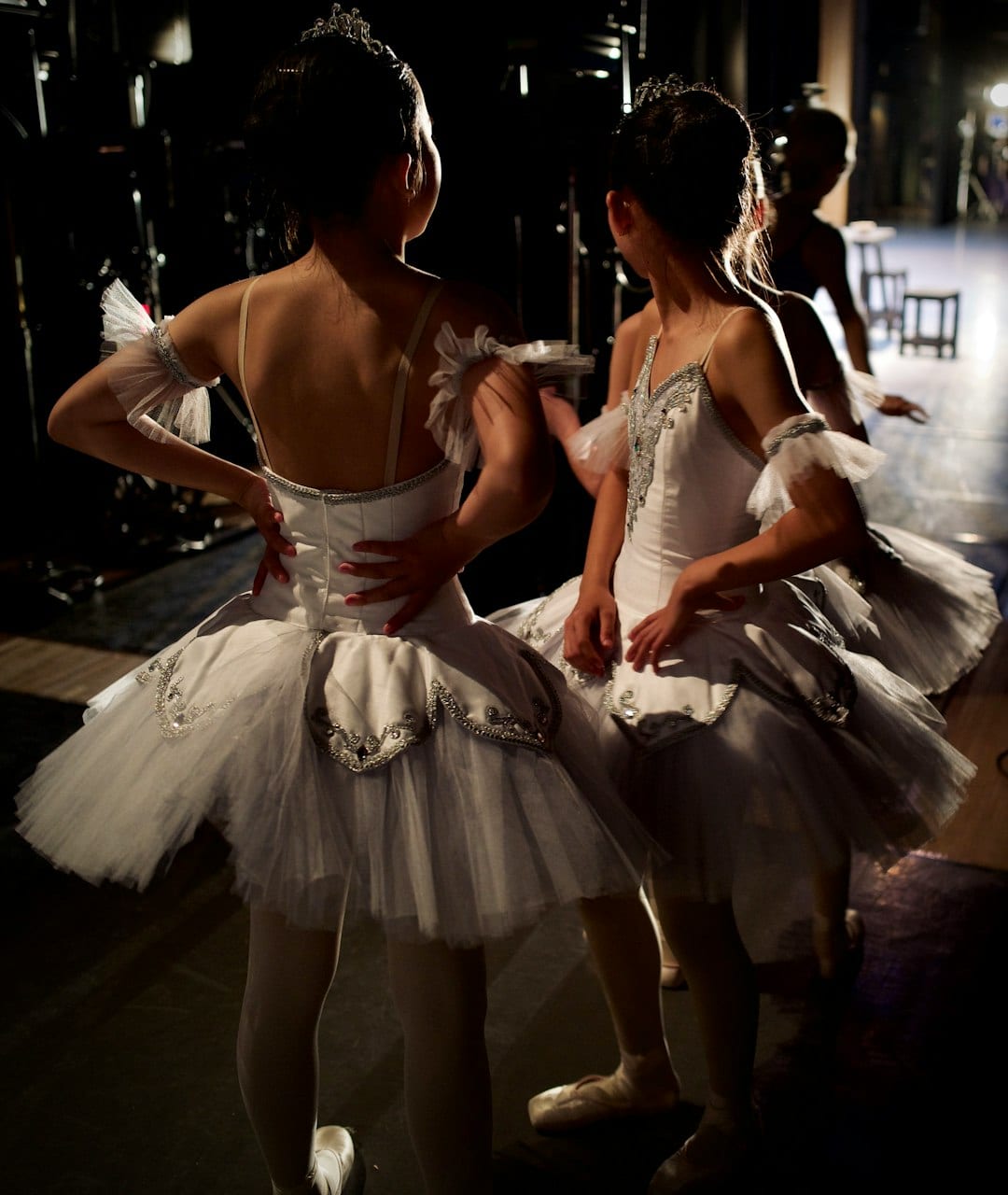
Young children holding a position at the barre in a bright ballet studio while the teacher kneels to correct one child's posture

What to check before you enrol

  • The floor and the space: a proper sprung or suitable dance floor, enough room to move, and no obstacles at the edges.
  • The teacher's training in the specific style and syllabus they teach, and their experience with your child's age group.
  • How stretching and flexibility are handled — no forced pushing, no hands-on pressure on a child's body.
  • Uniform, shoes and exam or performance costs, and whether these are compulsory in the first term.
  • Whether the class is recreational or exam/competition-track, and how much extra rehearsal time that track expects.
Browse dance and ballet centres in Malaysia

Language classes

Malaysian households are often already multilingual, so language enrichment here usually has one of three goals: strengthening a heritage language a child hears but rarely speaks, building confidence in the language used at school, or adding a new language for interest or future study.

Common options include:

  • Mandarin — Widely available, from play-based pre-school groups to structured reading, writing and HSK-style preparation for older children.
  • English — Speech, phonics, reading, writing and conversation classes, especially for children who speak another language at home.
  • Bahasa Malaysia — Support for children in vernacular or international school streams, and enrichment in reading and composition.
  • Tamil, Arabic, Japanese, Korean, French and others — Availability varies by area; smaller language programmes may run in community settings, cultural associations or small group classes rather than mall centres.

Ages

Language exposure has no minimum age — songs, stories and conversation at home count. Formal classes with reading and writing usually start around four to six, when a child can manage a short structured session. Older beginners are not "too late"; they simply need a class pitched at their age, not one full of much younger children.

What to ask

  • Is the class conversation-led or worksheet-led, and how much does each child actually speak in a session?
  • Are children grouped by age, by ability, or both? A ten-year-old beginner should not be seated with pre-schoolers.
  • What is the teacher's own command of the language, and their experience teaching children rather than adults?
  • What happens outside class — songs, readers, apps or homework you can realistically support at home?
  • If your child is shy in that language, how does the teacher bring them in without pressure?
Browse language centres in Malaysia

Coding and robotics

Coding classes for children in Malaysia usually follow a progression from unplugged and block-based activities to real text programming, with robotics kits used alongside to make the results physical. The label "coding" covers a wide range, so ask what your child will actually be doing in the room.

Typical stages

  1. Early primary (roughly 5–7) — Sequencing games, simple robotics kits with large parts, and visual block environments such as ScratchJr or Scratch. Lots of building and testing, little typing.
  2. Later primary (roughly 8–12) — Scratch projects, micro:bit and similar boards, kit-based robotics with sensors, game and animation projects, and first steps into text code.
  3. Secondary (roughly 13+) — Text languages such as Python, web basics, more advanced robotics, and competition or project teams for students who want them.

What to look for

  • Does each child have their own device or kit, or do they share and mostly watch?
  • Does the teacher let children debug their own work, or fix it for them to keep the class on schedule?
  • Is there a visible progression from one level to the next, or does every term repeat similar projects?
  • How much of the session is screen time versus building, discussing and testing?
  • Are competitions and showcases optional? They can be motivating, but they should not be the only measure of a programme.
  • What does your child need at home — a laptop, a tablet, an internet connection — and is anything required to be purchased?
Browse coding and robotics centres in Malaysia

Swimming and water safety

With so many pools, beaches and water parks around Malaysia, swimming is one of the most practical enrichment skills a child can learn. Treat it as a safety skill first and a sport second: the early goal is a child who is calm and competent in water, not a child with a fast freestyle.
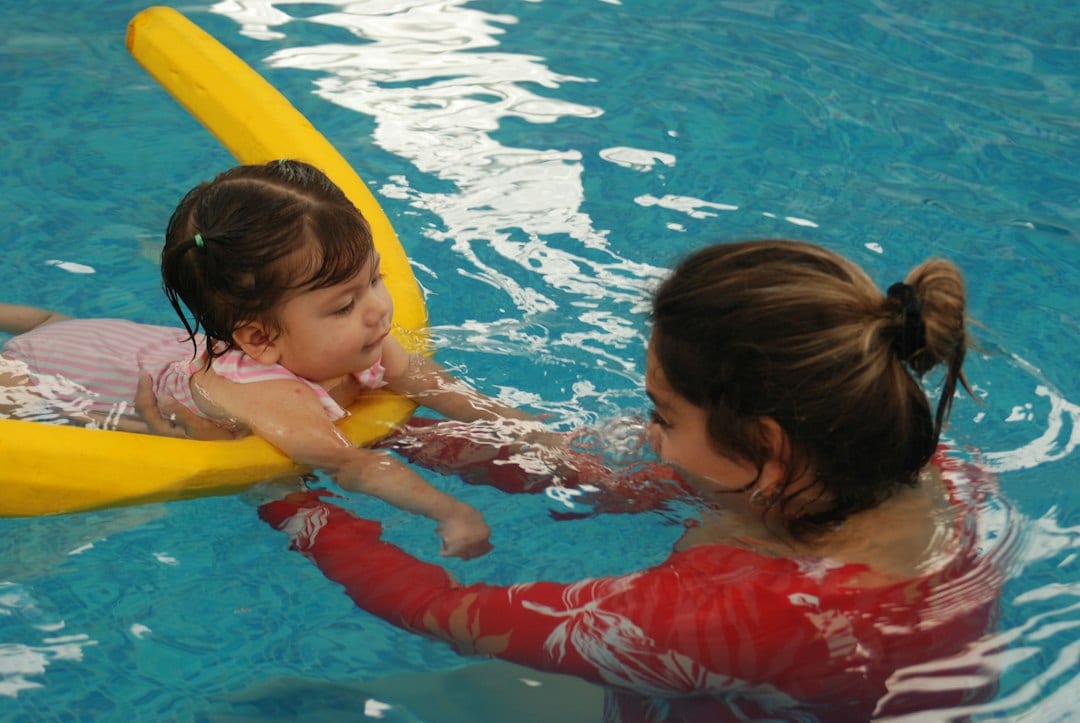
A swim instructor standing in shallow pool water supporting a small group of children in swim caps during a learn-to-swim lesson

Class formats

  • Parent-and-child sessions — For babies and toddlers, focused on water familiarity, holding on, and a parent's confidence as much as the child's.
  • Small-group learn-to-swim — The most common format for pre-school and primary beginners, progressing through levels such as floating, kicking, breathing and basic strokes.
  • Squad or stroke-development training — For children who can already swim lengths and want technique, endurance or competitive training.

What to check

  • Instructor qualifications in teaching swimming to children, and current first aid and water-rescue certification.
  • How many children per instructor at your child's level, and whether an additional adult supervises poolside.
  • The pool: depth for beginners, water temperature, cleanliness, shade, changing areas and whether parents can watch.
  • Whether the instructor is in the water with beginners or teaches from the side.
  • How progress is assessed and communicated, and what "ready for the next level" means here.
  • Whether goggles, caps and flotation aids are required, and what the centre provides.

Ask any centre how they handle a child who cries or refuses to enter the water. A good answer describes patience and gradual steps, not being thrown in.

Browse swimming centres in Malaysia

Martial arts, sports and movement

For children who need to move, sport-based enrichment builds coordination, stamina and the habit of showing up. It also teaches something academic classes rarely do: losing gracefully and trying again.

Martial arts

Taekwondo, wushu, karate, silat, judo and Brazilian jiu-jitsu are all taught in Malaysia, in dedicated dojos, community halls and shared studio spaces. Most use a belt or grade system that gives children short-term goals, and most mix technique, conditioning and forms or sparring in age-appropriate proportions. Starting ages are commonly around four to six for playful, non-contact beginner classes, with more technical training and controlled sparring introduced later.

When you visit, watch how the coach handles a child who is not paying attention, and how older students treat younger ones. The culture of a dojo is set by the senior instructor, and it shows within ten minutes of watching a class.

Sports and movement

  • Fundamental movement classes for pre-schoolers: running, jumping, balancing, throwing, catching — often labelled multi-sport or gym skills.
  • Gymnastics and trampoline-based programmes, where spotting, matting and equipment condition matter enormously.
  • Ball games such as badminton, basketball, football and table tennis, from beginner groups to club training.
  • Athletics, climbing and other individual sports, which suit children who prefer personal progress over team dynamics.

What to check for both

  • Coach qualifications and experience with your child's age group, plus first aid coverage on site.
  • Equipment and space: mats, padding, footwear rules, and whether the venue is properly ventilated or air-conditioned for indoor sessions.
  • How contact, sparring and competition are introduced, and whether a child can opt out.
  • Group sizes and how much actual activity time each child gets versus queuing and waiting.
  • Kit, uniform and competition costs, and whether they are optional in the first term.

Public speaking, speech and drama

These classes have grown quickly in Malaysian malls and studios, and the good ones are less about producing polished performers and more about helping a child be understood. Expect games, pair work, short prepared talks, storytelling, role-play and gentle feedback in front of a small group.

Sessions typically work on:

  • Voice and clarity — volume, pace, articulation, and speaking to be heard rather than shouting.
  • Structure and content — opening a talk, ordering ideas, explaining a point, answering a question.
  • Presence — eye contact, posture, listening to others, taking turns, and recovering when you lose your place.

Some programmes also prepare children for speech and drama examinations or run showcases and competitions. Ask whether that is the core of the course or an optional extra.

Who it suits: the quiet child who has ideas but rarely volunteers; the confident child who talks over everyone; the child moving into a new school or a new language of instruction; and older students facing presentations, interviews and leadership roles.

What to ask

  • How many children are in the group, and how many times does each child speak in a session?
  • Is participation ever forced, and how do you handle a child who freezes?
  • How is feedback given — in front of everyone, or privately and specifically?
  • Will the class work in the language my child is most comfortable in, and can that change over time?
Browse public speaking and drama centres in Malaysia

What age should my child start?

The ages below are the ranges many teachers and centres in Malaysia commonly work with. They are guidance, not rules — readiness matters more than birthdays, and every centre sets its own minimum age. Always confirm directly with the centre before booking.

Common starting ages for enrichment activities in Malaysia — guidance only; confirm with each centre.
ActivityCommonly starts aroundNotes
Music awareness, singing and movement2–4Play-based; a parent often attends
Piano4–6Needs short-lesson attention span and basic letter/number recognition
Violin4–6Fractional-size instruments; some methods start younger
Art and craft3+Materials exploration first, drawing skills later
Pre-primary dance and ballet3–5Rhythm and coordination before technique
Graded ballet techniqueEarly primaryPointe work is a later, teacher-assessed decision
Language classes4–6Exposure at home can start from birth
Coding and robotics5–7Block-based and kit-based; text code usually later primary or secondary
Parent-and-child swimmingInfancy onwardWater familiarity, with a parent in the pool
Learn-to-swim groups3–4Small groups with an instructor in the water
Martial arts4–6Non-contact and playful at the start
Multi-sport and fundamental movement3–5Balance, throwing, catching, jumping
Public speaking and drama5–6Small groups; older beginners welcome

Signs your child is ready for a structured class: they can follow two or three instructions in a row, tolerate a short wait for their turn, separate from you for the session length, and show some interest in the activity itself. If those are not there yet, a play-based class or another six months is usually the better investment.

How to choose the right class

  1. Start with your child, not the brochure.

    Watch what they already gravitate towards — humming, drawing on every receipt, climbing everything, explaining things at length. An activity that matches a natural inclination survives the first bad week; one chosen mainly because a cousin is doing it often does not.

  2. Be honest about your family's week.

    Count the actual hours: travel through traffic or mall parking, waiting time, siblings to ferry, and practice at home. A once-a-week class nearby that you can attend consistently will do more for your child than an ambitious schedule you keep cancelling.

  3. Shortlist two or three centres, not ten.

    Use the listings to filter by activity and location, then read what each centre says about class size, levels and teacher background. Shortlist based on what you can realistically visit.

  4. Visit and watch a real class.

    Ask to observe a session with children of your child's age, not an empty studio tour. Watch the teacher's tone, how children respond, whether anyone is bored or lost, and how the class handles a distracted or upset child.

  5. Check the practical terms in writing.

    Ask for the fee structure, what is included, the make-up and withdrawal policy, notice period, and any compulsory kit, uniform, exam or performance costs. Get it in writing before you pay, and keep the receipt and terms.

  6. Commit to a fair trial period, then review.

    Give a class a genuine run — several weeks, not one session — then talk to your child. Ask what they did, what they liked and what they would change. If the reluctance is about the activity, switch activity. If it is about the teacher or the group, switch class before you give up on the skill.

Making the most of a trial class

Most centres in Malaysia offer a trial or introductory session, sometimes free and sometimes at a reduced rate, and some allow you to observe instead of joining in. Ask which it is, and whether the trial is with the teacher who would actually take your child's regular class.

Before you go

  • Confirm the trial date, duration, whether a parent stays, and what to bring or wear.
  • Tell the teacher about your child's age, any experience, shyness, allergies, or additional needs.
  • Arrive early enough to settle — a rushed, flustered start tells you nothing useful about the class.
  • Agree with your child beforehand that trying is the goal, not being good at it.

During the trial, watch for

  • Whether the teacher speaks to children by name and at their level.
  • How instructions are given, and whether children understand what to do.
  • Whether your child gets to actually do the activity, or mostly waits and watches.
  • How corrections are made — specific and encouraging, or vague and humiliating.
  • The state of the space: clean, safe, uncluttered, with clear exits and adult supervision.
  • Your child's face at the end, not just their words in the car park.

Questions to ask before you pay

  • Who teaches the regular class, and what is their background with this age group?
  • How many children per teacher, and is there an assistant?
  • What is the full fee structure — per lesson, per month or per term — and what does it include?
  • What extra costs should we expect: kit, uniform, materials, exam entries, performances, competitions?
  • What is the policy for missed lessons, illness, holidays and make-up classes?
  • How much notice is needed to stop, and are packages refundable or transferable?
  • How do you tell us about progress, and how often?
  • What is expected of us at home each week?
  • Is the centre a registered business, and can we have the terms and receipts in writing?

After the trial, ask your child three simple questions: What did you do? What was the best part? Would you go back next week? Their answers, plus what you saw in the room, are usually enough to decide.

Fees, kit and scheduling

Fees vary widely across Malaysia by activity, city, class format and teacher experience, and one-to-one lessons work on a different basis from group classes. Rather than comparing headline prices, compare what a full term actually costs your family once everything is added up.

Costs to ask about

  • Lesson fees, and whether they are charged per lesson, per month, per term or as a package.
  • Registration, deposit or materials fees, and whether any are refundable.
  • Kit and equipment: instrument purchase or rental, shoes, uniform, swim gear, art materials, laptop or robotics kit.
  • Exam entries, accompanist fees, syllabus books, performance costumes, competition entries and travel.
  • Sibling arrangements, and whether packages can be paused, transferred or shared.
  • What happens financially to lessons missed by the centre, by the teacher, or by your family.

Scheduling realistically

  • One new structured activity at a time, especially for pre-schoolers.
  • Leave genuinely free play and rest in the week; enrichment is not a second school day.
  • Match the class time to your child's energy, not just your convenience — a tired child learns little.
  • Factor in school holidays, festive travel, exam periods and the traffic between home, school and the centre.
  • Review every term: is the class still worth the hours it takes?

If budget is tight, ask centres about group instead of individual lessons, shorter lesson lengths, community or association-run classes, and school-based clubs. A cheaper class attended consistently is better than an expensive one you have to keep skipping.

Safety and quality checks

You are handing over your child's time, and sometimes their physical safety, to someone you have just met. A few minutes of checking is normal, and good centres expect it.

Green flags

  • Clear answers about teacher qualifications, experience with the age group, and first aid coverage.
  • A stated child-to-teacher ratio and an assistant in classes with young children.
  • An open, visible teaching space, or a clear policy on parents observing.
  • Written terms, proper receipts, and a registered business you can identify.
  • A documented collection arrangement — who may pick your child up, and what happens if nobody arrives.
  • A calm, respectful tone with children, including the ones who are struggling.
  • Clean, well-maintained equipment and a space that suits the activity.

Warning signs

  • Pressure to pay for a large package immediately, before any trial.
  • Vagueness about who will actually teach your child.
  • Shaming, shouting, or comparing children publicly as a teaching method.
  • Forced stretching, forced water entry, or contact a child objects to.
  • No make-up, refund or withdrawal terms in writing.
  • Promises of guaranteed grades, belts, awards or results in a fixed time.

Trust your discomfort. If something feels off in the room, you do not need to justify leaving — and you can raise concerns with the centre management first, in writing, so there is a record.

Frequently asked questions

How many enrichment classes should my child do at once?

There is no correct number, but for pre-school and lower-primary children, one or two regular activities plus plenty of unstructured play is a sensible starting point. Add more only if your child is asking for it and the family's week can absorb the travel and practice without stress.

Is my child too old to start?

Almost never. Older beginners usually progress faster than young ones because they can take instruction and practise deliberately. The real issue is finding a class pitched at their age — ask whether the centre has a beginner group for older children rather than placing them with much younger ones.

Do we need to buy a piano or violin before the first lesson?

Usually not. Ask the teacher what they recommend and when. Many teachers are happy for a child to start with lessons only, then advise on a keyboard, digital piano or fractional-size violin once interest is clear. Rental options exist for some instruments — ask locally.

Are ABRSM or Trinity exams necessary?

No. They give structure, external feedback and milestones, and many Malaysian families find that useful. But plenty of children learn music well without exams. Ask the teacher how they decide when a child is ready, and be wary of a programme where exams are the only goal from lesson one.

What if my child refuses to go after a few weeks?

First find out why: the activity, the teacher, a particular child in the group, tiredness, or fear of not being good at it. Talk to the teacher — a small change of class time, group or approach often fixes it. If the mismatch is real, switch rather than force, but agree with your child on finishing a short, defined period first so quitting is a decision, not a reflex.

Are trial classes free?

It depends on the centre. Some offer a free trial, some a paid introductory session, and some an observation visit instead. Ask what the trial includes, whether it is with the regular teacher, and whether anything is payable if you decide not to continue.

How do I check whether a centre is legitimate?

Ask for the registered business name, written terms and an official receipt, and check that the person teaching is the person described to you. Visit during a live class, speak to the teacher directly, and ask other parents at the centre about their experience over a full term rather than a single session.

My child has additional needs. Can they join?

Many centres can accommodate additional needs with the right teacher, group size and support, and some run dedicated small-group programmes. Be specific when you enquire about your child's needs and what helps them, ask to observe a class, and ask whether a parent or accompanying adult may stay for the first sessions.

Ready to find a class?

You now know the main types of enrichment available in Malaysia, the ages children usually start, and the questions worth asking before you pay. The next step is simple: pick one activity, shortlist centres near you, and go and watch a class.

  • Browse centres by activity — music, art, dance, languages, coding, swimming, martial arts, sports and public speaking.
  • Shortlist two or three within a realistic distance from home or school.
  • Book a trial, take the question list above with you, and decide afterwards with your child.